
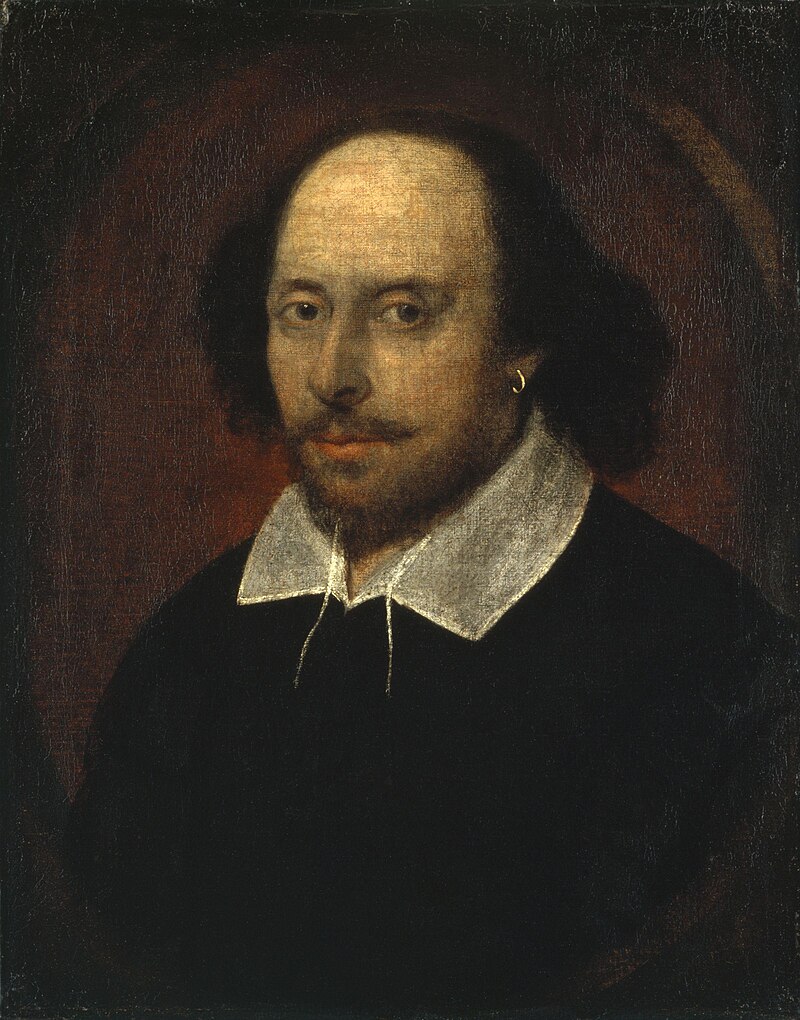
William Shakespeare
"The dreadful dead of dark midnight."
589 Quotes
"The dreadful dead of dark midnight."
"هَجْعَةُ اللَّيْلِ الدَّامِسِ الْمُوحِشَةُ."
William Shakespeare
"Courage mounteth with occasion."
"تزداد الشجاعة عند الشدائد."
William Shakespeare
"But screw your courage to the sticking place and we'll not fail."
"ولكن اثبتي شجاعتكِ في موضعها فلن نفشل."
William Shakespeare
"I earn that I eat get that I wear owe no man hate envy no man's happiness glad of other men's good content with my harm."
"أكسب ما آكل، وأحصل ما ألبس، لا أدين لأحد ببغض، ولا أحسد أحداً على سعادته، أسعد لخير الآخرين، وأرضى بما يصيبني من ضر."
William Shakespeare
"He is well paid that is well satisfied."
"من كان راضياً، فقد نال خير الجزاء."
William Shakespeare
"Conscience is but a word that cowards use Devised at first to keep the strong in awe."
"الضمير ما هو إلا لفظٌ يتذرّع به الجبناء، اختُرِعَ في البدء لإرهاب الأقوياء."
William Shakespeare
"Conscience does make cowards of us all."
"إن الضمير ليجعلنا جميعاً جبناء."
William Shakespeare
"Thus conscience does make cowards of us all And thus the native hue of resolution Is sicklied o'er with the pale cast of thought And enterprises of great pith and moment With this regard their currents turn awry And lose the name of action."
"وهكذا الفكرُ يُلقي فينا الجبنَ جميعاً،
وهكذا لونُ العزمِ الأصيلِ يبهتُ تحتَ غشاوةِ الفكرِ الشاحبةِ،
والمشاريعُ الجسامُ ذاتُ الشأنِ العظيمِ،
من جرّاء ذلك، تنحرفُ مجاريها،
وتفقدُ اسمَ الفعلِ."
William Shakespeare
"The people are the city."
"الناس هم المدينة."
William Shakespeare
"Costly thy habit as thy purse can buy But not express'd in fancy rich not gaudy For the apparel oft proclaims the man."
"THINK
The user wants an eloquent Arabic (Fusha) translation of a literary quote.
I need to capture the meaning and poetic tone, not just a literal word-for-word translation.
The quote is from Shakespeare's Hamlet, Polonius's advice to Laertes.
Let's break down the original English:
1. **"Costly thy habit as thy purse can buy"**: This means your clothes should be as expensive as you can afford. "Habit" here means attire/clothing.
2. **"But not express'd in fancy"**: Don't be ostentatious or showy. "Fancy" here implies elaborate, overly decorative.
3. **"rich, not gaudy"**: Emphasizes quality and substance over flashy display. "Gaudy" means tastelessly showy.
4. **"For the apparel oft proclaims the man."**: This is the core message – clothes often reveal or define a person. "Oft" means often. "Proclaims" means declares, reveals.
Now, let's think about how to convey this in eloquent Arabic, keeping the poetic and advisory tone.
**Part 1: "Costly thy habit as thy purse can buy"**
* "Costly thy habit": لتكن ثيابك غالية / لتكن حلتك ثمينة
* "as thy purse can buy": بقدر ما تسمح به محفظتك / على قدر ما تطيقه جيبك / بما يوافق سعة جيبك
* Combining: لتكن حلتك ثمينة بقدر ما تسمح به محفظتك. (This sounds good and formal)
* Another option: أنفق على ثيابك ما وسع جيبك. (More active, less poetic)
* Let's go with something like: "لتكن حلتك نفيسةً بقدر ما يطيقه جيبك" or "لتكن ثيابك غاليةً على قدر ما تسمح به محفظتك". "نفيسة" (precious/valuable) is a good choice for "costly". "جيبك" (pocket) or "محفظتك" (purse) both work. "يطيقه" (can bear/afford) is good for "can buy".
**Part 2: "But not express'd in fancy, rich, not gaudy"**
* "But not express'd in fancy": لكن لا تكن متكلفة / لا تكن مبالغاً فيها / لا تكن مزخرفة بترف
* "rich, not gaudy": غنية لا فجة / فاخرة لا صاخبة / ذات قيمة لا مبهرجة
* Combining: "لكن لا تكن متكلفةً في زينتها، بل فاخرةً لا صاخبة."
* "متكلفة" (overly elaborate/affected) captures "fancy" well.
* "فاخرة" (luxurious/splendid) for "rich".
* "لا صاخبة" (not noisy/garish) for "not gaudy". This is a good metaphorical equivalent. "صاخبة" can imply loud, flashy, tasteless.
* Another option for "not gaudy": "لا مبهرجة" (not flashy/ostentatious). This is also very good.
* Let's try: "لكن لا تكن مبالغاً فيها في زينتها، بل فاخرةً لا مبهرجة." (This is strong).
* Or: "لكن لا تكن متكلفةً في زخرفتها، بل ذات قيمةٍ لا فجة." ("فجة" means crude/coarse, which can fit "gaudy").
Let's refine this part:
"لكن لا تكن مبالغاً فيها في زخرفتها، بل فاخرةً لا مبهرجة."
"مبالغاً فيها" (exaggerated/overdone) fits "not express'd in fancy".
"زخرفتها" (its ornamentation) is good.
"فاخرة" (luxurious/splendid) for "rich".
"لا مبهرجة" (not ostentatious/flashy) for "not gaudy".
**Part 3: "For the apparel oft proclaims the man."**
* "For": فإن / إذ
* "the apparel": الثياب / اللباس / الحلة
* "oft proclaims": غالباً ما تدل على / كثيراً ما تكشف عن / كثيراً ما تعلن عن
* "the man": المرء / الرجل
* Combining: "فإن اللباس غالباً ما يعلن عن المرء."
* "يعلن عن" (proclaims/declares about) is a good direct translation.
* "يكشف عن" (reveals) is also good.
* "يدل على" (indicates) is also good.
* "فإن الثياب غالباً ما تكشف عن صاحبها." (This is very natural).
* "صاحبها" (its owner) is more specific than "المرء" (the man/person) and fits well.
Let's try to put it all together and refine the flow and poetic quality.
**First Draft Assembly:**
لتكن حلتك نفيسةً بقدر ما يطيقه جيبك،
لكن لا تكن مبالغاً فيها في زخرفتها، بل فاخرةً لا مبهرجة.
فإن الثياب غالباً ما تكشف عن صاحبها.
**Review and Refine:**
* "نفيسةً بقدر ما يطيقه جيبك": Good. "نفيسة" is elegant. "يطيقه جيبك" is idiomatic and clear.
* "لكن لا تكن مبالغاً فيها في زخرفتها": "مبالغاً فيها" (exaggerated/overdone) works for "not express'd in fancy". "زخرفتها" (its ornamentation) is good.
* "بل فاخرةً لا مبهرجة": "فاخرة" (luxurious) for "rich". "لا مبهرجة" (not flashy/ostentatious) for "not gaudy". This contrast is well-captured.
* "فإن الثياب غالباً ما تكشف عن صاحبها": "غالباً ما تكشف عن" (often reveals) is perfect for "oft proclaims". "صاحبها" (its wearer/owner) is excellent for "the man" in this context.
The flow is good. The vocabulary is elevated and appropriate for Fusha. The meaning is preserved, and the poetic tone is maintained.
Let's consider alternatives for "Costly thy habit as thy purse can buy":
* "أنفق على ثيابك ما وسع جيبك" (Spend on your clothes what your pocket can afford) - A bit too direct, less poetic.
* "لتكن ثيابك على قدر غنى جيبك" (Let your clothes be according to the richness of your pocket) - A bit clunky.
* "لتكن حلتك غاليةً بقدر ما تطيقه محفظتك" - "غالية" is fine, "نفيسة" is slightly more literary. "محفظتك" is fine.
I think "لتكن حلتك نفيسةً بقدر ما يطيقه جيبك" is the strongest opening.
Consider alternatives for "But not express'd in fancy, rich, not gaudy":
* "لكن لا تكن متكلفةً في زينتها، بل فاخرةً لا صاخبة." - "متكلفة" is good. "صاخبة" is a strong metaphor for gaudy.
* "لكن لا تكن مفرطةً في تأنقها، بل ذات قيمةٍ لا فجة." - "مفرطة في تأنقها" (excessive in its elegance) is good. "فجة" (crude) for gaudy.
I like "مبالغاً فيها في زخرفتها" for "not express'd in fancy" as it captures the idea of over-decoration.
And "فاخرةً لا مبهرجة" for "rich, not gaudy" is a very clear and elegant contrast.
Final check on the whole phrase:
"لتكن حلتك نفيسةً بقدر ما يطيقه جيبك، لكن لا تكن مبالغاً فيها في زخرفتها، بل فاخرةً لا مبهرجة؛ فإن الثياب غالباً ما تكشف عن صاحبها."
This seems to hit all the marks: eloquence, meaning, poetic tone, Fusha.
The semicolon (؛) is appropriate to connect the clauses."
William Shakespeare
"The soul of this man is his clothes."
"روح هذا المرء في ثيابه."
William Shakespeare
"It is a wise father that knows his own child."
"الأب الحكيم من يعرف ولده حق المعرفة."
William Shakespeare
"There's small choice in rotten apples."
"ليس في التفاح الفاسد خيار يذكر."
William Shakespeare
"His life was gentle and the elements So mixed in him that nature might stand up"
"كانت حياته وديعة، وامتزجت فيه الطبائع امتزاجًا، حتى لتقوم الطبيعة وتُشهد به على كمالها."
William Shakespeare
"To business that we love we rise betime And go to it with delight."
"إلى العمل الذي نحبه، نستيقظ باكرًا ونمضي إليه بسرور."
William Shakespeare
"God befriend us as our cause is just!"
"اللهم كن لنا نصيرًا فحقنا ظاهر!"
William Shakespeare
"Fortune brings in some boats that are not steered."
"تأتي الأرزاق ببعض السفن التي لا تقودها يد."
William Shakespeare
"Life is as tedious as a twice-told tale vexing the dull ear of a drowsy man."
"الحياة مملة كقصة رويت مرتين، تضجر أذن رجل نعسان بليد."
William Shakespeare
"Neither a borrower nor a lender be: For loan oft loses both itself and friend And borrowing dulls the edge of husbandry."
"لا تكن مقترضًا ولا مقرضًا؛ فالدين غالبًا ما يذهب بالمال والصديق، والاقتراض يثلم حد التدبير."
William Shakespeare
"Brevity is the soul of wit."
"الإيجاز روح الفطنة."
William Shakespeare
✉️
Get more quotes like William Shakespeare's — every morning.
Join thousands of wisdom seekers getting daily quotes from 300,000+ curated sources.
Free forever. No spam. Unsubscribe anytime.
🎉 Check your inbox to confirm your subscription!